Healthy Fats: Why You Shouldn't Be Afraid of Oils and Nuts When Losing Weight
Do oils and nuts really prevent weight loss? In reality, healthy fats can become valuable allies on your journey to a slimmer body. Discover why you shouldn't eliminate fats from your diet and how they help control appetite, support hormonal health, and make weight loss more comfortable and sustainable.
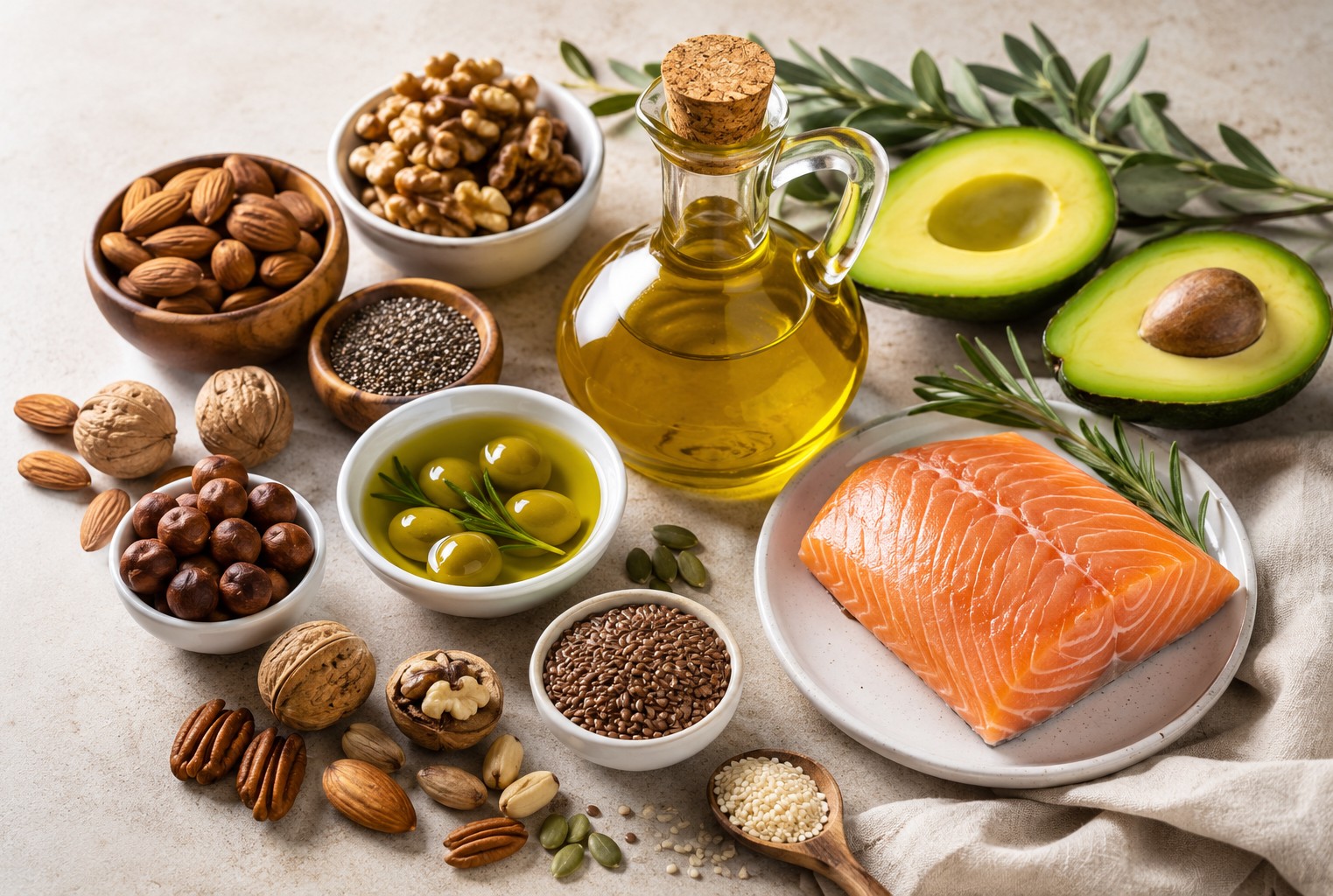
Many women who want to lose weight start by avoiding fats. Olive oil disappears from the kitchen, nuts are added to the list of "forbidden foods," and salads are dressed with nothing but lemon juice. At first glance, this approach seems logical: fat contains more calories than protein and carbohydrates. However, modern nutrition science tells a different story — high-quality fats do not hinder weight loss; in fact, they help the body function properly.
Why Fats Are Essential for the Body
Fats are much more than just a source of energy. They play a role in dozens of vital processes, including:
forming cell membranes;
supporting hormone production;
helping the body absorb fat-soluble vitamins A, D, E, and K;
maintaining a healthy nervous system;
regulating inflammatory processes;
supporting normal brain function.
When dietary fat intake is too low, the body becomes less efficient. This may lead to persistent fatigue, dry skin, brittle hair and nails, mood changes, and even hormonal imbalances.
Fats and Women's Health
Adequate fat intake is especially important for women. Fats are essential for the production of sex hormones, which influence reproductive health, the menstrual cycle, skin condition, and overall well-being.
Extremely low-fat diets can contribute to hormonal disruptions, reduced energy levels, and a lower quality of life. The body may interpret a lack of dietary fat as a sign of insufficient resources, negatively affecting many physiological processes.
Why Healthy Fats Can Support Weight Loss
At first, it may sound surprising, but fats can actually help with weight management.
They Keep You Full for Longer
Fats slow down stomach emptying and help you stay satisfied after meals for a longer period. This reduces the likelihood of frequent snacking and overeating.
For example, a vegetable salad dressed with a teaspoon of olive oil will generally be more filling than the same salad without any fat.
They Help Stabilize Blood Sugar Levels
Combining carbohydrates with healthy fats promotes a more gradual rise in blood glucose levels. This can help prevent sudden hunger cravings and reduce the urge to reach for sugary foods.
They Improve the Taste of Food
When a diet is overly restrictive and bland, it becomes harder to maintain over time. A small serving of nuts, avocado, or quality oil can make meals more enjoyable and sustainable in the long run.
Which Fats Are Considered Healthy?
Unsaturated fats are generally regarded as the most beneficial for health.
Plant-Based Oils
Some of the best options include:
olive oil;
pumpkin seed oil;
flaxseed oil;
avocado oil.
These oils contain beneficial fatty acids and antioxidants that support cardiovascular health.
Nuts and Seeds
Healthy additions to your diet include:
walnuts;
almonds;
hazelnuts;
pumpkin seeds;
sunflower seeds;
chia seeds;
flaxseeds.
Nuts provide not only healthy fats but also protein, fiber, magnesium, and other important micronutrients.
Fatty Fish
Salmon, mackerel, herring, and sardines are rich sources of omega-3 fatty acids, which support heart and brain health while helping regulate inflammation throughout the body.
How Much Fat Do You Need While Losing Weight?
For most people, fats should account for approximately 25–35% of total daily calorie intake. The exact amount depends on factors such as age, body weight, physical activity, and individual needs.
The key is not to fear fats but to manage portion sizes wisely. Even the healthiest foods are still calorie-dense, so balance remains essential.
For example:
1 tablespoon of olive oil;
a handful of nuts;
a serving of fatty fish.
These foods can easily fit into a healthy weight-loss plan.
A Common Mistake Many People Make
One of the most common mistakes is eliminating fats entirely and replacing them with refined carbohydrates. As a result, people often feel hungrier, struggle to control their appetite, and find it more difficult to maintain a calorie deficit.
That is why modern nutrition guidelines do not recommend avoiding fats. Instead, they encourage choosing high-quality sources of healthy fats.
Conclusion
Fats are not the enemy of a slim figure. On the contrary, quality oils, nuts, seeds, and fatty fish support hormonal health, help you stay fuller for longer, improve nutrient absorption, and contribute to a more balanced diet.
Successful weight loss is not about eliminating entire food groups — it is about creating a healthy balance. So there is no reason to fear a spoonful of olive oil in your salad or a small handful of nuts. For many women, these foods are an important part of a healthy, sustainable, and comfortable journey toward their desired weight.