Hidden Fats: Where Extra Calories Are Hiding and Preventing Weight Loss
Many people are convinced that they do not eat much, yet the scale refuses to move. The reason may be hidden fats that quietly add hundreds of extra calories to your daily diet. Discover where these calories are hiding and how to keep them under control without restrictive dieting.
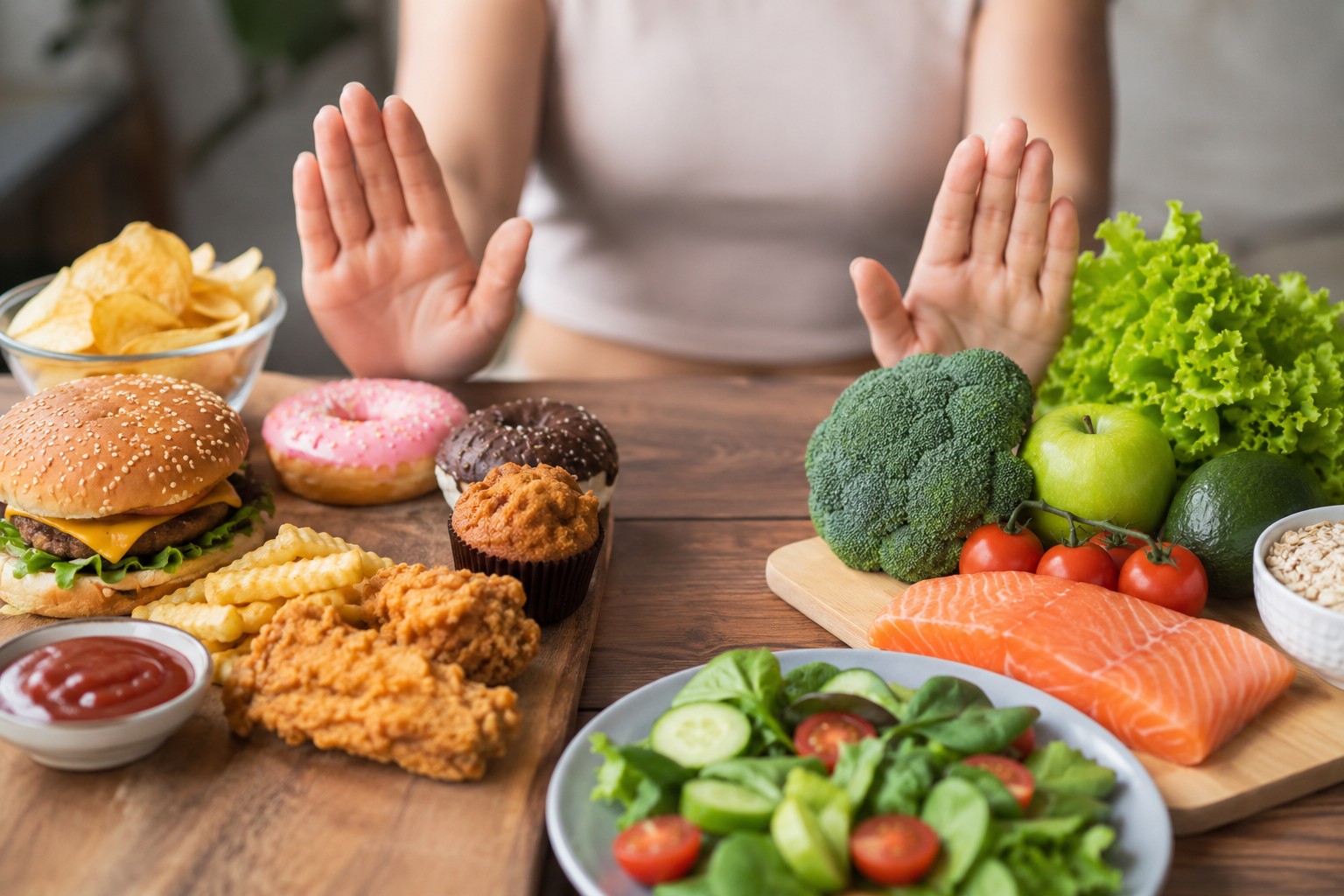
Hidden Fats: Where Extra Calories Are Hiding and Preventing Weight Loss
"I hardly eat anything, but my weight won't go down." This is one of the most common phrases among people trying to lose weight. Often, the problem is not the amount of food consumed but its calorie content. And the main culprits are frequently hidden fats—ingredients and products that quietly increase the daily calorie intake without us noticing.
Fats are an essential part of a healthy diet. They are necessary for hormone production, the absorption of fat-soluble vitamins, and maintaining healthy skin and nervous system function. However, excessive fat intake can significantly increase the calorie content of your diet, as 1 gram of fat contains 9 calories—more than twice as many as protein or carbohydrates.
Why Do Hidden Fats Add Up So Easily?
Most people pay attention to obvious sources of fat, such as lard, butter, or fatty cuts of meat. However, the real problem often lies in foods that appear "light" or even diet-friendly.
A few extra tablespoons of oil, a salad dressing, a handful of cookies with coffee, or a convenience food product can add hundreds of calories to your day. At the same time, they provide much less satiety than a balanced meal.
Cooking Oil: The Invisible Calories
Vegetable oils are considered healthy because they contain unsaturated fatty acids. However, even the healthiest oil remains highly calorie-dense.
One tablespoon of oil contains approximately 120–135 calories. If you pour it directly from the bottle without measuring, it's easy to use 2–4 tablespoons while preparing a single meal. That's an additional 240–540 calories that many people never account for.
Foods that absorb especially large amounts of oil include:
zucchini;
eggplant;
breaded foods;
meat patties;
potatoes;
pancakes and fritters.
How to Reduce Fat Intake During Cooking
Use non-stick cookware.
Measure oil with a spoon instead of pouring directly from the bottle.
Use a cooking spray.
Choose baking, stewing, or air frying more often.
Sauces: Real Calorie Bombs
Many people prepare a light vegetable salad and then add several tablespoons of dressing. As a result, the calorie content of the meal can easily double.
Sauces that are particularly high in fat include:
mayonnaise;
Caesar dressing;
cheese sauces;
creamy dressings;
oil-based sauces.
For example, just two tablespoons of mayonnaise can contain around 200 calories.
Healthier Alternatives
Excellent salad dressing alternatives include:
Greek yogurt;
plain unsweetened yogurt;
lemon juice;
balsamic vinegar;
mustard;
herbs and spices.
The flavor remains rich and satisfying while the calorie content is significantly lower.
Convenience Foods: More Fat Than You Think
Frozen patties, chicken nuggets, processed meats, sausages, and ready-to-eat meat products often contain far more fat than their homemade counterparts.
Manufacturers add fat to improve taste, texture, and shelf life. Many people see the word "chicken" on a package and automatically assume the product is healthy, even though it may contain a substantial amount of added fat.
That is why it is important to carefully read ingredient lists and nutrition labels before purchasing processed foods.
Store-Bought Cookies and Pastries: Small Treats, Big Calories
Cookies may seem like a harmless snack, but they are often a major source of hidden fats.
Manufacturers commonly use:
palm oil;
margarine;
confectionery fats;
butter.
A small package of cookies enjoyed with coffee can contain as many calories as a полноценний breakfast.
The problem is that these foods provide very little satiety, causing hunger to return quickly.
Nuts and Healthy Fats Still Require Portion Control
Nuts, seeds, avocados, and vegetable oils are excellent sources of healthy fats. However, "healthy" does not mean "low-calorie."
For example:
100 g of nuts can contain more than 500–700 calories;
half an avocado contains approximately 120–160 calories;
one tablespoon of any oil contains over 120 calories.
This is why even nutritious foods should be consumed in moderation.
How Much Fat Do You Actually Need?
For most adults, fats should account for approximately 25–35% of total daily calorie intake.
For example:
On a 1,500-calorie diet: about 42–58 g of fat per day.
On a 2,000-calorie diet: about 56–78 g of fat per day.
This does not mean that fats should be avoided altogether. The key is to control portions and prioritize high-quality sources of fat.
How to Identify Hidden Fats in Your Diet
If your weight has not changed for a long time, try honestly tracking everything you eat for several days.
Pay special attention to:
cooking oils;
sauces and dressings;
processed meats and sausages;
cheese;
nuts;
pastries;
cookies;
snacks and convenience foods.
Many people are surprised to discover that these products contribute a significant portion of their daily calorie intake.
Conclusion
Weight loss does not always stall because of large portions or "forbidden" foods. Often, the real cause is hidden in small details that go unnoticed: an extra spoonful of oil, a rich dressing, a handful of cookies, or processed convenience foods.
Controlling hidden fats does not require strict dieting. It simply means learning to recognize sources of excess calories and making more mindful choices. These small adjustments are often the key to achieving sustainable and lasting results.