How to Read Food Labels in 30 Seconds: A Quick Guide for Busy People
“Fitness,” “Eco,” and “Sugar-Free” don't always mean healthy. In just 30 seconds, you can learn what's really inside the package. Discover how to read food labels, identify hidden sugars, and avoid falling for marketing tricks.
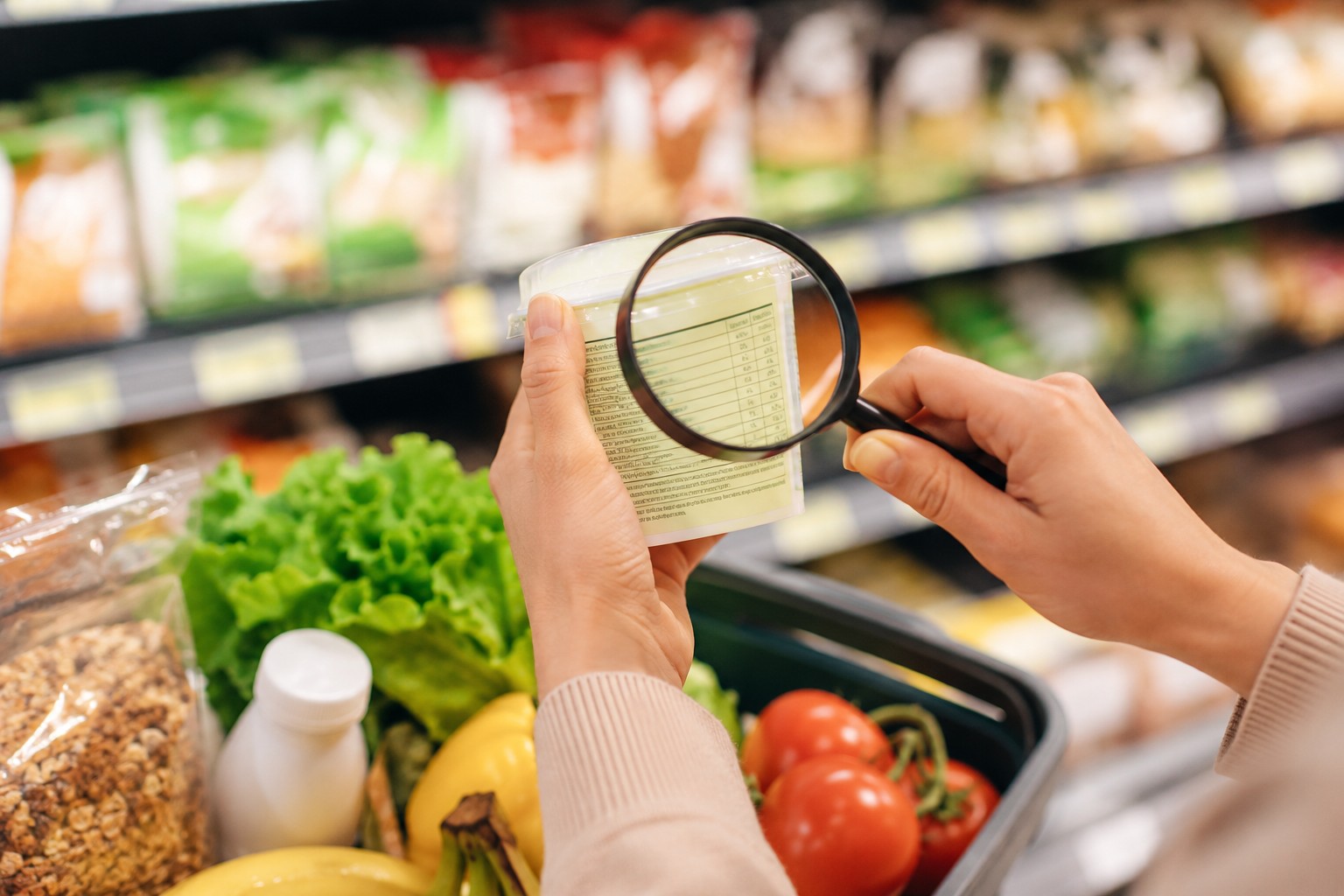
Bright labels and attractive claims often make products seem healthier than they really are. Words such as “Fitness,” “Eco,” “Natural,” “Sugar-Free,” or “Light” may sound appealing, but they do not automatically indicate a nutritious product. In reality, you only need about 30 seconds to evaluate a product properly.
Step 1. Check the First Three Ingredients
Ingredients are listed in descending order by weight, meaning the first ingredient is present in the largest amount, followed by the second and third.
These first three ingredients provide the clearest picture of what the product actually contains.
For example:
✔ Better choice:
oats;
milk;
berries.
⚠ Think twice:
sugar;
glucose-fructose syrup;
palm oil.
If several types of sugar, refined fats, or numerous additives appear among the first ingredients, the product may be less nutritious than its packaging suggests.
Step 2. Look at the Amount of Fat per 100 g
Nutritional information is usually provided per 100 g or 100 ml, making it easier to compare products.
A high fat content does not necessarily mean a product is unhealthy. Nuts, seeds, and avocados naturally contain significant amounts of fat. However, sweets, snacks, and desserts with high fat levels often also contain large amounts of sugar and calories.
Pay attention not only to total fat but also to saturated fat, if this information is available.
Step 3. Identify Hidden Sources of Sugar
The claim “Sugar-Free” does not always mean a product contains no sweet ingredients. Manufacturers may use alternative sweeteners or carbohydrate-rich ingredients.
Common names to watch for include:
maltodextrin;
glucose syrup;
glucose-fructose syrup;
fructose syrup;
invert syrup;
rice syrup;
Jerusalem artichoke syrup;
agave syrup;
molasses;
dextrose;
sucrose;
fructose.
Although ingredients such as Jerusalem artichoke syrup or agave syrup are often marketed as healthier alternatives, they are still sources of sugars and contribute to the product's calorie content.
Step 4. Don't Rely on Marketing Claims
Labels such as “Fitness,” “Eco,” “Natural,” or “Healthy” do not guarantee a product is low in calories or nutritionally balanced.
For example:
a fitness bar may contain as much sugar as a regular dessert;
a product labeled “No Added Sugar” may still contain fruit concentrates or syrups;
the word “Eco” says nothing about protein, fat, or carbohydrate content.
The only reliable way to evaluate a product is to read the ingredient list and nutrition facts panel.
The 30-Second Checklist
Before buying a product, ask yourself three simple questions:
What are the first three ingredients?
How much fat does it contain per 100 g?
Are there any hidden sources of sugar?
These quick checks can help you make more informed food choices without spending much time in the grocery store.