Superfoods in Your Kitchen: What to Use Instead of Expensive Quinoa, Chia Seeds, and Avocados
Do you think healthy eating is impossible without quinoa, chia seeds, and avocados? In reality, affordable local foods can be just as nutritious as popular superfoods. Discover how to replace expensive exotic ingredients without compromising your health—or your budget.
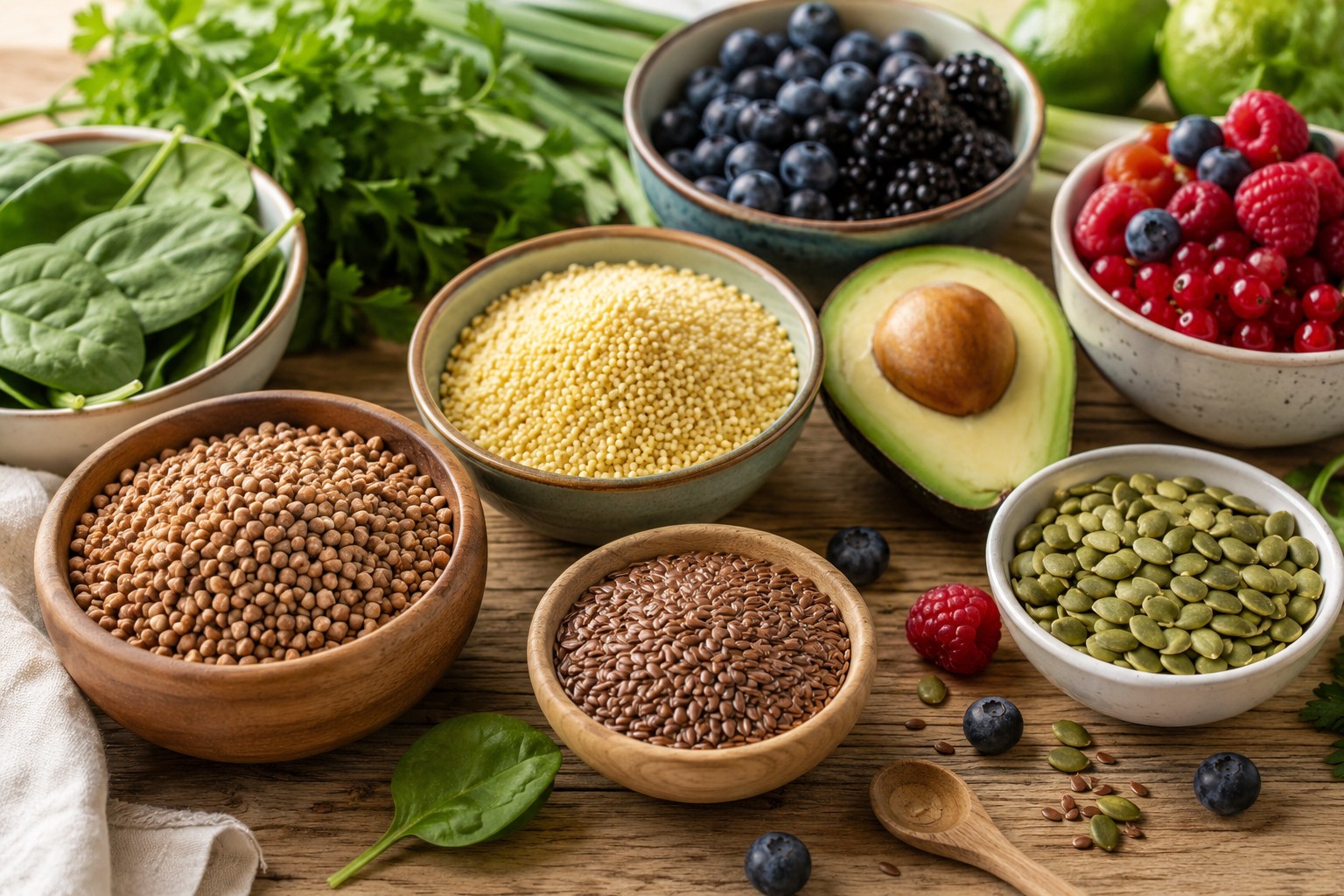
In recent years, the word “superfood” has become a true symbol of healthy eating. Quinoa, chia seeds, goji berries, and avocados regularly appear on lists of the world's healthiest foods. However, a common myth has developed around them: that healthy eating requires buying only expensive and exotic products.
In reality, this is far from true. Many affordable local foods can provide just as many beneficial nutrients and, in some cases, even outperform popular superfoods in certain nutritional aspects.
Flaxseeds Instead of Chia Seeds
Chia seeds are valued for their high content of fiber, calcium, and omega-3 fatty acids. However, ordinary flaxseeds are also among the best plant-based sources of omega-3s. According to some studies, flaxseeds contain even more alpha-linolenic acid (ALA) than chia seeds. In addition, they are rich in lignans—natural antioxidants that are found only in minimal amounts in chia seeds.
Benefits of flaxseeds:
High in omega-3 fatty acids;
Rich in dietary fiber;
A good source of magnesium and plant-based protein;
Significantly more affordable.
For optimal nutrient absorption, flaxseeds are best ground shortly before consumption.
Buckwheat and Millet Instead of Quinoa
Quinoa is often referred to as the perfect grain due to its protein, fiber, and mineral content. However, this does not mean that a healthy diet cannot be achieved without it.
Traditional buckwheat contains plant protein, fiber, magnesium, iron, and many other essential micronutrients. Millet is also an excellent source of complex carbohydrates, B vitamins, and minerals.
The main advantage of these grains is their affordability. They are highly satisfying, pair well with vegetables, meat, fish, and dairy products, and can serve as the foundation of a balanced diet.
It is important to understand that no single food is magical. Dietary variety is far more important for health than having a trendy grain on your plate.
Local Berries Instead of Exotic Ones
Goji berries, açaí berries, and other imported products are often promoted as unique sources of antioxidants. However, blueberries, blackcurrants, blackberries, raspberries, and cranberries are also rich in polyphenols, vitamin C, and other biologically active compounds.
Blackcurrants are particularly noteworthy, as they have traditionally been recognized as one of the berries with the highest vitamin C content.
During the season, fresh berries are the best choice, while frozen berries are an excellent alternative in winter. Freezing helps preserve most of their nutritional value.
Pumpkin Seeds: An Underrated Champion
When people talk about superfoods, pumpkin seeds are often overlooked—and unfairly so.
They are an excellent source of:
Magnesium;
Zinc;
Iron;
Plant-based protein;
Healthy fats.
A small handful of pumpkin seeds can make a nutritious snack or a valuable addition to salads, porridge, and yogurt.
Greens: The Most Affordable Superfood
Parsley, dill, green onions, spinach, arugula, and other leafy greens are packed with vitamins, antioxidants, fiber, and minerals while remaining very low in calories.
Greens are often underestimated, yet regular consumption can significantly improve the overall nutritional quality of your diet without increasing your grocery bill.
Adding even a small serving of greens to every main meal is a simple habit that can be more beneficial than many expensive supplements.
Why You Shouldn't Chase Trendy Foods
Marketing often creates the impression that health can be purchased in a package labeled “superfood.” In reality, overall dietary habits matter far more than any individual product.
If your menu regularly includes vegetables, fruits, berries, whole grains, legumes, fish, eggs, dairy products, and various seeds, your body will receive the nutrients it needs to function properly.
Healthy eating does not have to be expensive. In many cases, the most nutritious foods have been in our kitchens all along—we simply overlook them because of flashy names and popular trends.