The Hidden Power of Fiber: Why Greens and Vegetables Are the Foundation of Energy and Clear Skin
Why do some people enjoy steady energy, healthy skin, and comfortable digestion, while others regularly struggle with bloating, fatigue, and skin concerns? One of the key factors may be the amount of fiber and vegetables included in their daily diet.
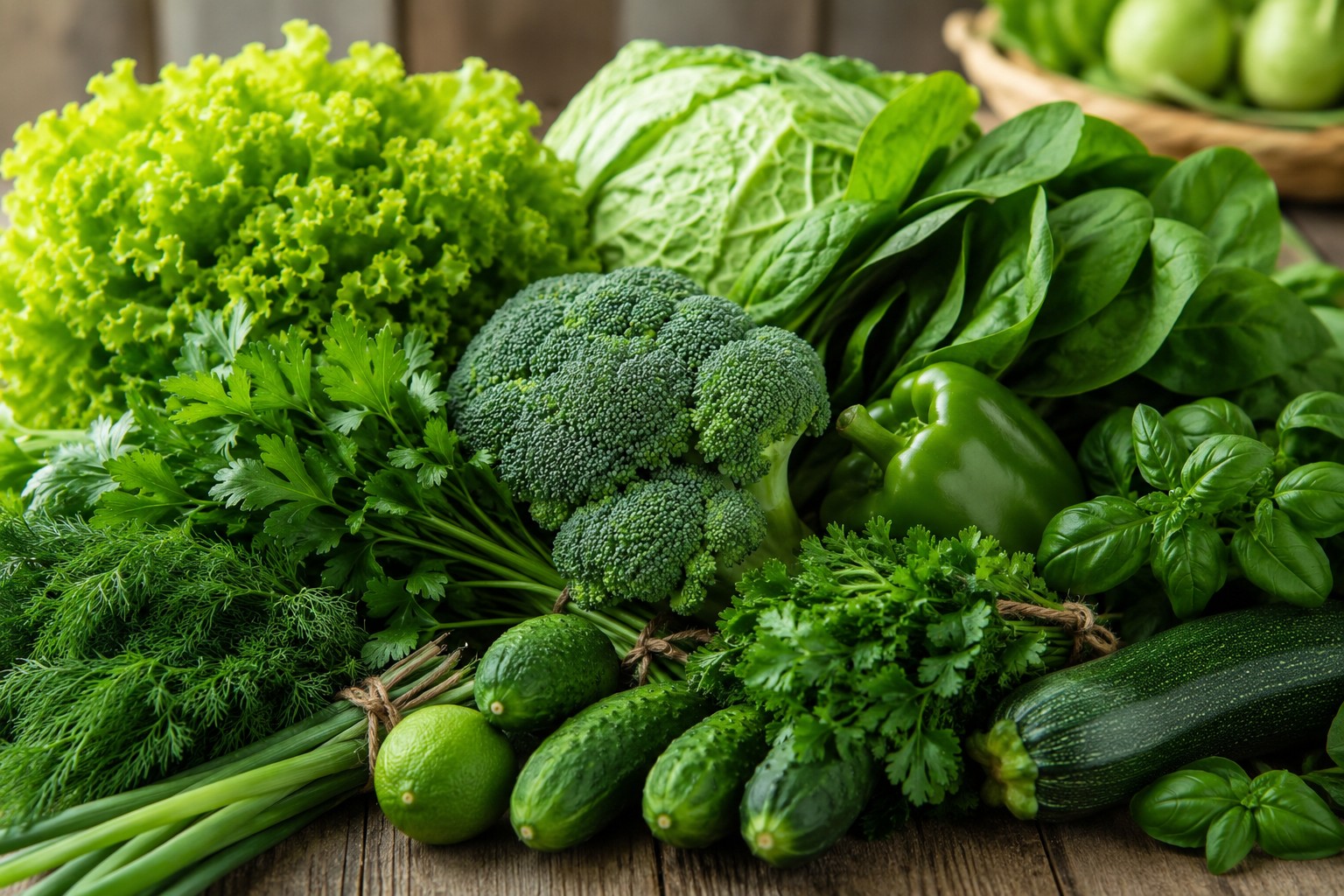
Many people search for a "magic" product that can provide glowing skin, strong health, and stable energy levels. In reality, the secret is much simpler and more accessible — it can be found every day on grocery store shelves and at local markets. We're talking about vegetables, leafy greens, and the fiber they contain.
Although fiber is not a source of calories and does not provide the body with energy directly, it plays a role in numerous processes that affect overall well-being, digestion, skin health, and even mood.
Fiber: An Invisible Yet Essential Part of a Healthy Diet
Fiber is a type of plant-based dietary carbohydrate that cannot be broken down by human digestive enzymes. Once it reaches the intestines, it serves as a food source for the beneficial bacteria that make up the gut microbiome.
Modern research shows that a healthy microbiome influences not only digestion but also immune function, metabolism, inflammation levels throughout the body, and even skin health. When beneficial gut bacteria receive enough fiber, they produce short-chain fatty acids that help maintain the integrity of the intestinal lining and support the regulation of inflammatory processes.
Why Do Vegetables and Greens Help Maintain Energy Levels?
Fatigue is often associated with a lack of sleep or insufficient calorie intake. However, one of the underlying causes may be a deficiency of essential micronutrients.
Green vegetables and leafy greens are rich in:
magnesium, which is required for energy production within cells;
potassium, which supports proper nervous system and muscle function;
folate, an important nutrient involved in the formation of red blood cells;
vitamin C, which contributes to collagen production and protects cells from oxidative stress;
vitamin K, which is essential for healthy blood vessels and bones;
antioxidants and phytonutrients that help the body combat inflammation.
Even when a diet provides enough calories, a lack of vegetables can lead to deficiencies in vitamins, minerals, and other biologically active compounds that cells need to perform their functions efficiently.
The Connection Between Gut Health and Skin Health
The condition of the skin often reflects what is happening inside the body. It is no coincidence that more scientists are discussing the so-called "gut-skin axis."
When the balance of the gut microbiota is disrupted, systemic inflammation may increase, often appearing as breakouts, dull skin, and increased skin sensitivity. On the other hand, adequate fiber intake promotes the growth of beneficial bacteria that produce compounds helping to maintain the intestinal barrier and regulate inflammatory responses.
This is why regularly consuming vegetables and leafy greens can positively affect not only digestive health but also the appearance of the skin.
Which Vegetables and Greens Are Especially Beneficial?
When it comes to gut and skin health, diversity matters more than relying on a single "superfood."
Particular attention should be given to:
spinach;
arugula;
parsley;
dill;
lettuce;
broccoli;
cauliflower;
green and red cabbage;
carrots;
bell peppers;
cucumbers;
zucchini;
asparagus;
green peas.
Each type of vegetable contains its own unique combination of vitamins, minerals, antioxidants, and fibers that nourish different groups of beneficial gut bacteria. This is why nutrition experts encourage dietary variety rather than focusing on a single food.
How Much Fiber Do You Need Each Day?
Most international guidelines recommend that adults consume at least 25–30 grams of fiber daily. However, many people fall short of this target.
Fiber intake should be increased gradually while maintaining adequate hydration. A sudden increase in vegetables, fruits, and whole grains may temporarily cause bloating, digestive discomfort, or increased gas production.
A Simple Takeaway
Greens and vegetables are much more than a low-calorie addition to meals. They provide fiber, vitamins, minerals, and bioactive compounds that support gut health, help the body maintain energy levels, and contribute to clear, healthy skin.
If you want to improve your overall well-being, support healthy digestion, and enhance your skin's natural appearance, start with one simple habit: include vegetables and leafy greens in every main meal. These small daily choices often lead to the greatest long-term results.