The Perfect Dinner for an Easier Morning: Why the “Protein + Fiber” Rule Really Works
A light dinner is not about starving yourself. Discover why the simple combination of protein and fiber can help control appetite, support a healthy weight, and help you wake up feeling light, comfortable, and energized.
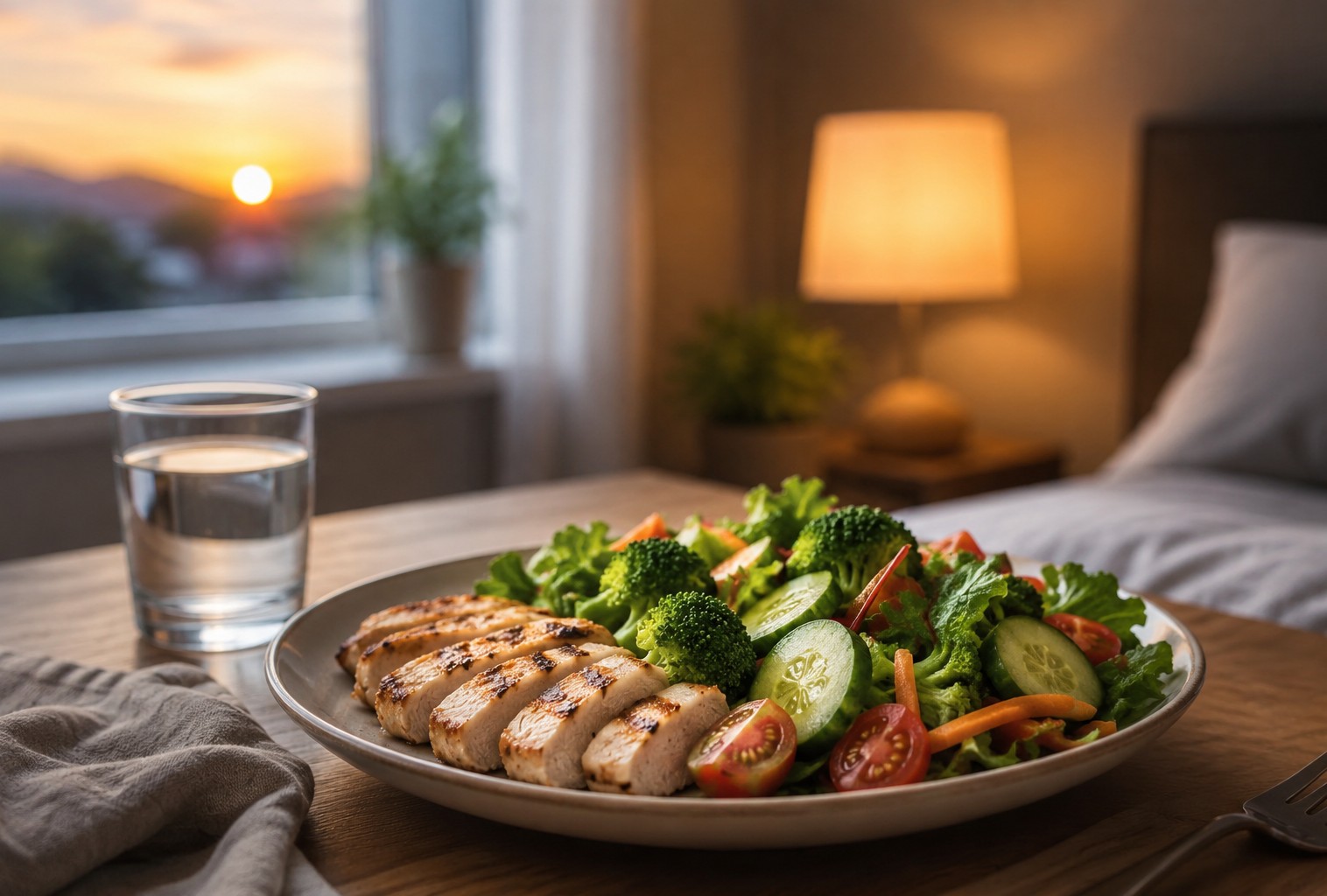
Many people are searching for a secret formula for weight loss, feeling lighter in their bodies, and waking up without puffiness. Some skip dinner altogether, some avoid carbohydrates after 6 PM, while others spend years experimenting with different diets.
In reality, one of the most effective principles of healthy evening eating is much simpler: protein + fiber.
This combination can help you wake up without a heavy feeling in your stomach, reduce late-night snacking, and make weight management much easier.
Why Dinner Often Becomes a Problem
Throughout the day, we work, rush from one task to another, skip meals, or eat on the go. As a result, by evening, the body has accumulated significant hunger.
That is why we often reach for cookies, sandwiches, sweets, or large portions of pasta at night. These foods provide quick satisfaction, but they can also trigger hunger again shortly afterward.
As a result, many people go to bed with an overly full stomach and wake up feeling heavy, bloated, and not even hungry for breakfast.
How Protein Works
Protein is considered one of the most satiating nutrients.
After a protein-rich meal, the body stays satisfied for longer, helping to control appetite and reduce the urge to snack constantly. In addition, during sleep, the body uses amino acids to repair tissues, muscles, and support numerous other essential processes.
Good sources of protein for dinner include:
Chicken breast
Turkey
Beef
Fish and seafood
Eggs
Cottage cheese
Greek yogurt
Why the Effect Is Weaker Without Fiber
Many people focus only on protein. For example, they may eat a piece of chicken or an omelet without any vegetables.
This is where the problem begins.
Fiber adds volume to meals, slows gastric emptying, and helps maintain fullness for a longer period. It also supports healthy digestion and promotes a balanced gut microbiome.
That is why a salad, vegetables, or leafy greens served alongside a protein-rich meal are not just decoration on the plate—they are an essential part of a balanced dinner.
The best evening sources of fiber include:
Cucumbers
Tomatoes
Leafy greens
Broccoli
Cauliflower
Zucchini
Bell peppers
Asparagus
Mixed salad greens
Why the “Protein + Fiber” Rule Supports Weight Loss
The secret is not in any magical food.
The combination of protein and fiber naturally helps control appetite and reduce overall calorie intake without constant feelings of hunger. Research shows that adequate protein and fiber consumption is associated with greater satiety and improved eating behavior.
In other words, if you feel satisfied after dinner, you are far less likely to crave tea with sweets or make a late-night trip to the refrigerator an hour later.
The Formula for the Perfect Dinner
It is surprisingly simple:
1/2 of the plate — vegetables and leafy greens
1/4 of the plate — a protein source
1/4 of the plate — optional complex carbohydrates (buckwheat, quinoa, bulgur, or whole-grain pasta)
For most people seeking a lighter feeling and better weight control, protein and a generous serving of vegetables should form the foundation of their evening meal.
Dinner Ideas Based on the “Protein + Fiber” Rule
Baked fish with a large vegetable salad
Omelet with vegetables and herbs
Turkey with broccoli
Cottage cheese with vegetables and fresh herbs
Grilled chicken breast with vegetables
Beef with a seasonal vegetable salad
Seafood with mixed vegetables
Key Takeaway
If you want to wake up feeling lighter, avoid evening hunger, and gradually improve your shape without strict restrictions, start not with another diet but with your dinner.
The “protein + fiber” rule works not because it is a trendy nutrition hack. It is based on the physiology of satiety and digestion. That is why this approach remains effective regardless of changing diet trends and helps many people feel better within just a few days.