Why the Scale Lies: How to Properly Track Weight Loss Progress
In this article, we explain why the scale doesn’t always reflect your true progress, which indicators are actually worth tracking during weight loss, and how to stay motivated despite temporary fluctuations. You’ll learn why a measuring tape, progress photos, and your overall well-being can reveal far more about your results than a simple number on the scale.
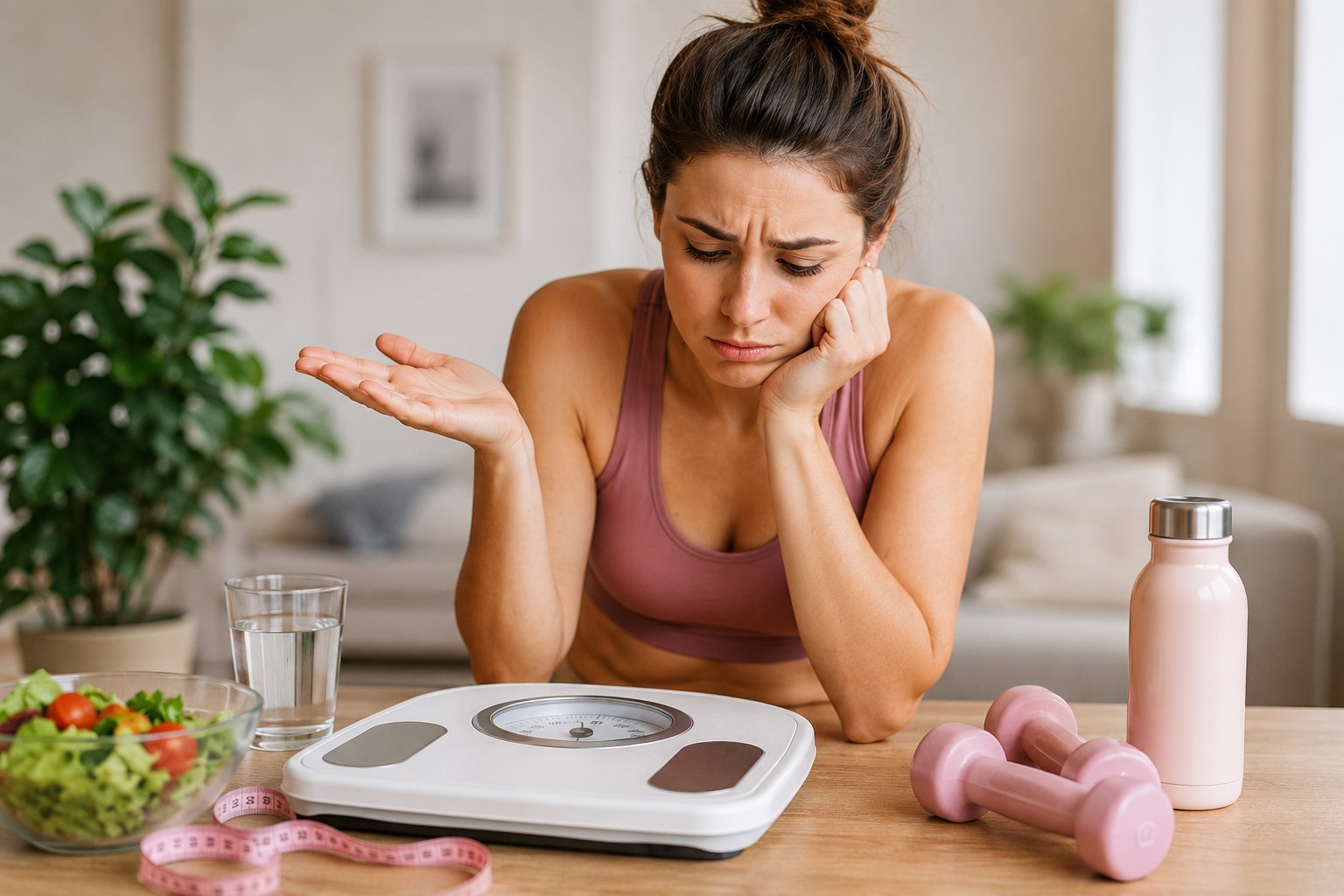
You eat a balanced diet, move more, notice that your clothes fit more loosely, yet the number on the scale suddenly shows an extra kilogram. Sound familiar? Moments like these often cause many women to lose motivation and start doubting their efforts.
In reality, body weight is far from the most accurate indicator of progress. It can fluctuate daily for reasons that have nothing to do with gaining body fat. Let’s explore why scales can be misleading and how to evaluate your results more objectively.
Why the Number on the Scale Constantly Changes
The human body is made up of more than just fat. A significant portion of body weight consists of water, and its amount can change within just a few hours.
Daily weight fluctuations of 0.5–2 kg (1–4 lbs) are completely normal. This does not mean that you gained that much fat overnight.
To gain just 1 kg (2.2 lbs) of body fat, you would need a calorie surplus of approximately 7,000–7,700 calories. Therefore, if the scale shows an extra kilogram the morning after dinner, the reason is almost certainly not fat gain.
The Main Reasons for Temporary Weight Gain
Water Retention
The most common cause of sudden weight fluctuations is a change in water balance.
Water retention can occur due to:
Excess salt intake;
Inadequate hydration;
Intense workouts;
Stress;
Lack of sleep;
Hormonal changes.
Sometimes, after a salty dinner or restaurant meal, your weight may increase by 1–2 kg (2–4 lbs) the next morning. Within a few days, it usually returns to normal.
Menstrual Cycle Phases
Many women notice that their weight suddenly increases before their period.
This is related to changes in estrogen and progesterone levels, which affect fluid balance in the body. In some cases, the body may retain several liters of extra water.
Once the cycle is over, this additional weight usually disappears without any extra effort.
Carbohydrates and Glycogen Stores
When we eat carbohydrate-containing foods, the body stores glycogen—a form of energy reserve in the muscles and liver.
Interestingly, each gram of glycogen binds approximately 3–4 grams of water. This is why weight may temporarily increase after holiday meals or consuming a large amount of carbohydrates.
This is not fat—it is a combination of glycogen and water.
Food in the Digestive System
Food itself has weight. If you weigh yourself after a late dinner or after a day of eating larger portions, the scale will show a higher number simply because some of the food is still being digested.
For maximum accuracy, it is recommended to weigh yourself in the morning after using the bathroom and before breakfast.
Why You Shouldn't Weigh Yourself Every Day
Daily weigh-ins often trigger unnecessary emotions and make it harder to see real progress.
Your weight may be lower today and higher tomorrow, even though your body fat percentage has barely changed.
It is much more useful to track your weekly average weight or compare measurements every 7–14 days under the same conditions.
This approach helps you identify real trends rather than random fluctuations.
Which Indicators Matter More Than Weight
Body Measurements
A measuring tape often tells a more accurate story than a scale.
If your waist, hips, or abdominal measurements are decreasing, it indicates positive changes in body composition, even if your weight remains the same.
This is especially true for people who engage in strength training. Fat mass may decrease while muscle mass increases, causing little or no change in body weight.
Progress Photos
Our eyes adapt to gradual changes, making them difficult to notice in the mirror.
Taking photos once a month under the same lighting conditions and wearing similar clothing can help you objectively assess your progress and see changes that may not appear on the scale.
Skin Quality and Body Contours
During healthy weight loss, skin tone often improves, facial puffiness decreases, and body contours become more defined.
These changes are important signs of improved physical fitness, even if the number on the scale is moving slowly.
Well-Being and Energy Levels
Healthy weight loss is about more than appearance.
If you wake up more easily, feel less tired throughout the day, sleep better, and have more energy for everyday activities, these are also important indicators of success.
Practical Techniques to Stay Calm and Avoid Obsessing Over the Scale
When the number on the scale doesn’t meet your expectations, it is easy to fall into extremes—skipping meals, drastically cutting calories, or overexercising. At such moments, it is important to stay rational.
Here are a few simple techniques:
Focus on the Trend, Not a Single Day
One weigh-in means very little. Analyze your results over several weeks rather than focusing on daily changes.
Keep a Progress Journal
Track:
Body weight;
Body measurements;
Energy levels;
Sleep quality;
Physical activity.
This will give you a much more complete picture of your progress.
Don’t Draw Conclusions from One “Bad” Morning
If your weight increases after a holiday meal or before your period, give your body a few days. Often, the issue resolves itself naturally.
Focus on Habits, Not Numbers
Ask yourself:
Am I following my nutrition plan?
Am I moving enough?
Am I getting enough sleep?
Am I drinking enough water?
If the answer is yes, you are already moving in the right direction.
Conclusion
The scale is just one of many tools for measuring progress. It shows your total body weight but cannot tell you how much of that weight comes from water, muscle, or body fat.
Don’t allow a single number to determine your mood or motivation. It is far more important to pay attention to body measurements, energy levels, overall well-being, skin quality, and how your clothes fit.
Real weight loss progress is not about instant changes on the scale. It is about building sustainable healthy habits that gradually transform your body and improve your quality of life.