For many people, desserts are associated with something “forbidden” when trying to lose weight or maintain a healthy lifestyle. That is why a familiar pattern often emerges after yet another restrictive diet: a few weeks of strict limitations followed by an uncontrollable urge to eat every sweet treat in sight.
In reality, the problem is not desserts themselves. More often, it lies in their composition: large amounts of refined sugar, white flour, trans fats, and excess calories. The good news is that most popular sweets can be adapted to become not only delicious but also more nutritious.
Why You Should Rethink Homemade Baking
Traditional desserts often contain ingredients that quickly raise blood glucose levels while providing little nutritional value. This does not mean they should be completely eliminated from your diet. A much more effective approach is to improve recipes while preserving their taste and texture.
The main goal of this “dessert makeover” is to add more protein, fiber, and healthy fats while reducing the amount of refined carbohydrates and unnecessary calories.
What to Use Instead of White Flour
White wheat flour undergoes extensive processing, during which much of its fiber and some nutrients are removed.
For homemade baking, consider these alternatives:
Whole Wheat Flour
Contains more fiber, B vitamins, and minerals. It works well in cakes, muffins, cookies, and pancakes.
Oat Flour
Provides a soft texture and a subtle nutty flavor. It can easily be made at home by blending rolled oats into a fine powder.
Rice Flour
Suitable for light desserts and cottage cheese pancakes. It is often combined with other types of flour.
Corn Flour
Adds an interesting texture and natural sweetness to baked goods.
It is important to remember that even healthier flours are still a source of carbohydrates. The best results come not from a complete replacement but from a balanced combination of different ingredients.
How to Reduce Sugar Without Sacrificing Flavor
Many recipes contain more sugar than is actually needed for a pleasant taste.
Try these simple strategies:
Reduce the amount of sugar by 20–30%; in most cases, the difference is barely noticeable.
Add berries and fruits that provide natural sweetness.
Use stevia or other calorie-free sweeteners if they suit your preferences.
Enhance flavor with cinnamon, vanilla, or cocoa powder.
Bananas, unsweetened applesauce, and berries are particularly effective for reducing the need for added sweeteners.
Why You Should Avoid Trans Fats
Trans fats are formed during the industrial processing of vegetable oils. They are commonly found in inexpensive frostings, fillings, commercial pastries, and some margarines.
Excessive consumption of trans fats has been linked to an increased risk of cardiovascular disease, which is why modern dietary guidelines recommend limiting them as much as possible.
Instead of margarine, consider using:
Cottage cheese;
Greek yogurt;
Plain natural yogurt;
A small amount of butter;
Fruit purées.
These substitutions can lower calorie content while improving the nutritional quality of desserts.
Cottage Cheese: The Ultimate Ingredient for Healthier Desserts
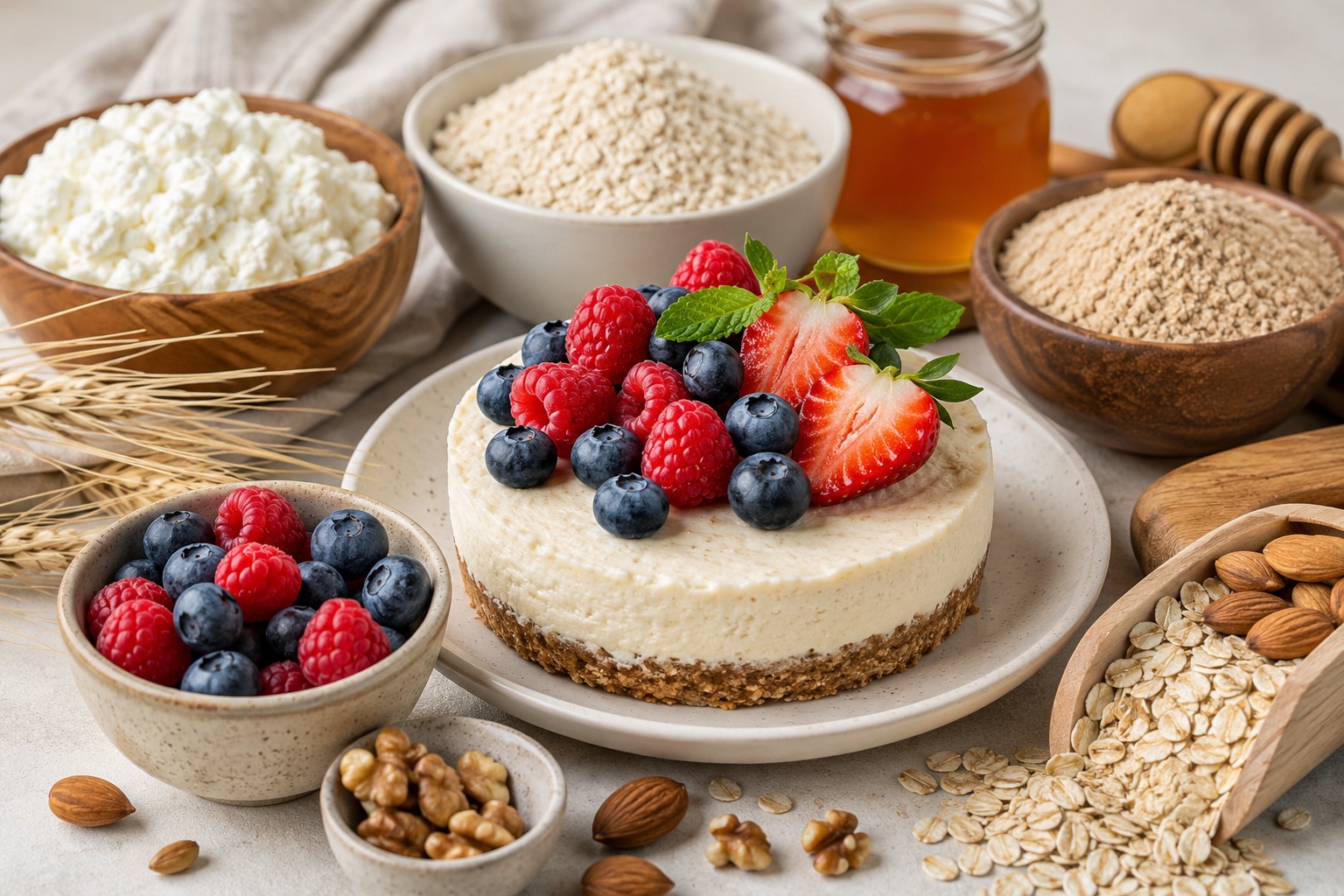
One of the best foods for creating balanced sweet treats is cottage cheese with moderate fat content.
It is rich in protein, promotes satiety, and helps make desserts more filling.
It can be used to prepare:
Cottage cheese pancakes without deep frying;
Cheesecakes without heavy cream fillings;
Mousses and dessert creams;
Baked casseroles;
Homemade protein-rich sweets.
Thanks to their higher protein content, these desserts fit much better into a weight-management plan.
Berries: A Natural Way to Make Desserts Healthier
Berries provide more than just flavor and aroma—they also add valuable fiber.
Strawberries, blueberries, raspberries, blackcurrants, and cherries pair perfectly with cottage cheese, yogurt, and whole-grain baked goods.
Unlike many commercial fillings and jams, fresh or frozen berries contain significantly less added sugar.
Nuts: Benefits Without Excess
Nuts are rich in healthy unsaturated fats, vitamin E, and essential minerals. However, they are also highly calorie-dense.
That is why they should be used as an addition rather than a main ingredient.
A typical dessert serving only requires:
10–15 g almonds;
10–15 g walnuts;
10–15 g hazelnuts.
This amount is enough to provide flavor, texture, and nutritional benefits without excessive fat intake.
A Simple Trick: Keeping Desserts Within Your Fat Targets
One of the most common mistakes in “healthy” desserts is using excessive amounts of nuts, coconut flakes, nut butters, and full-fat cheeses.
To keep desserts balanced:
Choose cottage cheese with 2–5% fat content.
Use Greek yogurt instead of heavy cream.
Control portion sizes of nuts.
Pair nuts with berries rather than additional high-fat ingredients.
Include more protein-rich ingredients than fat-rich ones.
This approach allows you to create desserts that not only satisfy sweet cravings but also help you stay within your daily calorie and macronutrient goals.
Conclusion
A healthy dessert does not have to be complicated, nor does it require giving up your favorite flavors. A few smart substitutions can make a big difference: whole-grain flour instead of part of the white flour, cottage cheese instead of rich cream fillings, berries instead of excess sugar, and moderate amounts of nuts instead of large quantities of high-fat toppings.
These small changes can make homemade desserts more nutritious, more satisfying, and more supportive of your health and fitness goals—without sacrificing enjoyment.
Автор
Mealora Editorial